Summer Foot Problems I See Every Year – And How You Can Avoid Them
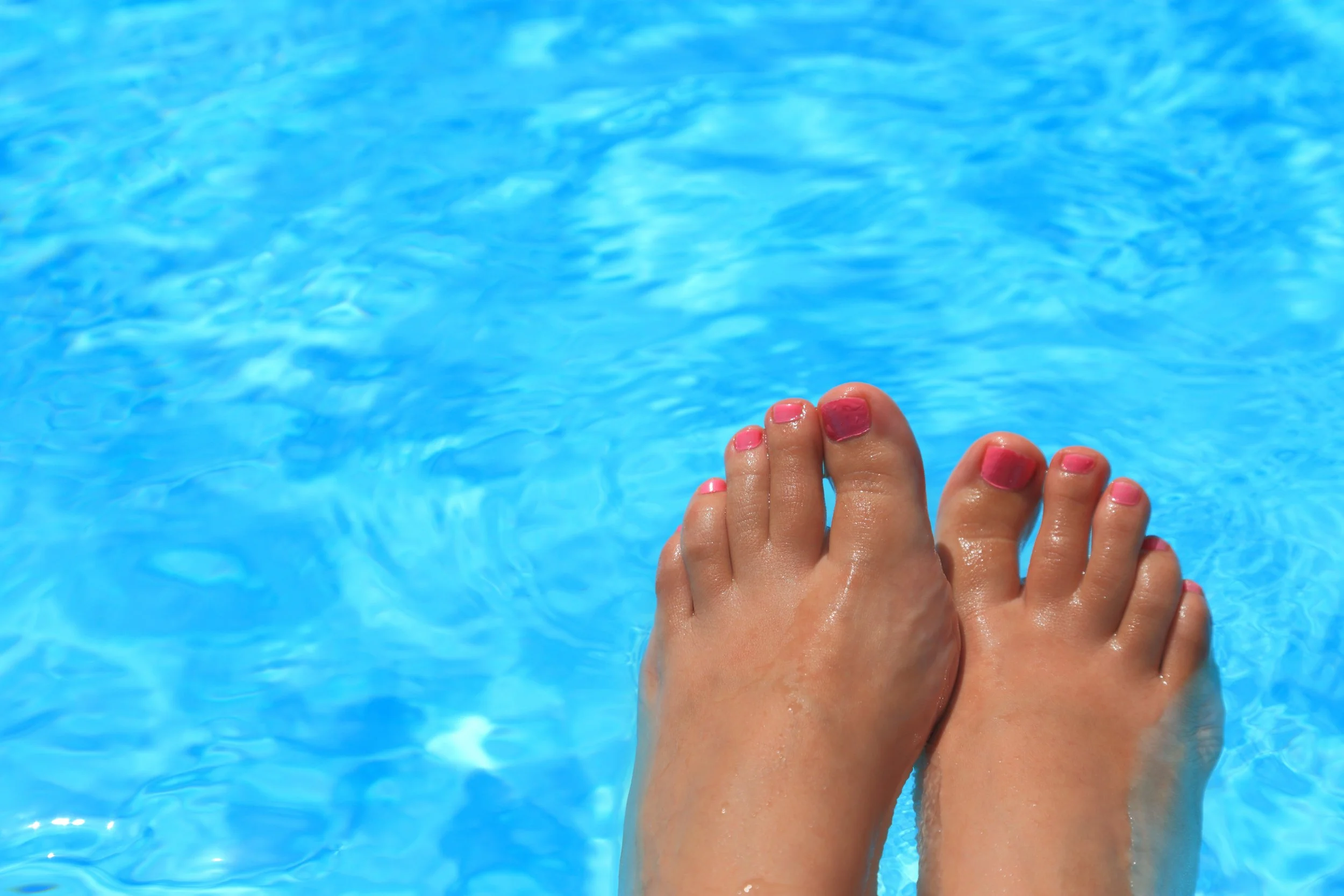
As the weather improves and holidays begin, one thing becomes very predictable in clinic—our feet become much busier.
Every summer I see a noticeable increase in patients attending with painful blisters, cracked heels, fungal infections, heel pain and sore corns after spending more time walking, travelling or wearing different footwear.
Often people tell me:
"I only wore the sandals for one day."
"I didn't realise we'd walked nearly 20,000 steps."
"They were comfortable when I first put them on."
The reality is that our feet don't always adapt as quickly as our summer plans.
The good news? Many of the problems I treat throughout July and August can be prevented with a little preparation.
Your feet probably aren't used to doing this much
Whether you're exploring the Lake District, walking Hadrian's Wall, sightseeing abroad, gardening, or simply enjoying more days outdoors, your activity levels often increase without you really noticing.
Your feet absorb thousands of extra steps every day.
If your footwear isn't providing enough support—or if your skin isn't used to the increased friction—it doesn't take long for problems to develop.
One of the best things you can do before a holiday is gradually build up your walking distance in the weeks beforehand rather than expecting your feet to cope with a sudden increase in activity.
Blisters: Small Injury, Big Disruption
Blisters might seem like a minor inconvenience, but they can quickly spoil a holiday.
In clinic, they usually occur because of one (or more) of these factors:
New sandals or trainers
Feet becoming hot and sweaty
Longer walking distances than normal
Shoes that move too much against the skin
If you've bought new footwear especially for your holiday, try wearing it around the house or on shorter walks first.
It's far better to discover a pressure point at home than halfway through your first day away.
Summer Footwear Isn't Always Foot-Friendly
I completely understand why people love sandals and flip-flops during warm weather.
Unfortunately, many provide very little support.
If you already suffer with heel pain, plantar fasciopathy, arthritis or other musculoskeletal conditions, spending hours walking in flat, unsupportive footwear can often lead to symptoms returning.
That doesn't mean you can never wear sandals—but choosing styles with:
Adjustable straps
A supportive footbed
Good cushioning
A secure fit
can make a huge difference.
Fungal Infections Thrive During Summer
Swimming pools, communal changing rooms, gyms and hotel showers create the warm, damp environments that fungi love.
Every summer I see patients who return from holiday with athlete's foot or changes to their toenails that later prove to be fungal infections.
Simple habits really can reduce the risk:
Wear flip-flops in communal shower areas.
Dry carefully between your toes.
Change damp socks promptly.
Avoid sharing towels.
Seek advice early if you notice peeling skin, itching or nail discolouration.
The earlier treatment begins, the better the chance of achieving a successful outcome.
A Message for Anyone Living with Diabetes
If you have diabetes, your feet deserve a little extra attention during the summer months.
Walking barefoot on patios, beaches or around swimming pools can lead to burns, cuts or injuries that may go unnoticed, particularly if you have reduced sensation.
One of the most rewarding parts of my job is helping prevent small problems becoming much bigger ones.
Something that appears to be "just a corn" or "just a blister" can occasionally be something much more significant.
Checking your feet every day and seeking professional advice early can make all the difference.
Don't Ignore Changes Just Because You're Busy
Summer is often when people put off appointments because they're away, enjoying the sunshine or looking after family. However, foot problems rarely improve simply by waiting. If anything feels different, looks unusual or isn't healing as expected, it's always worth getting it checked. Most conditions are much easier to manage when they're caught early.
Looking After Your Feet Means Looking After Your Summer
Our feet take us everywhere—from family holidays and countryside walks to days in the garden and evenings spent with friends.
Looking after them isn't about vanity; it's about maintaining comfort, mobility and independence.
A little preparation before the summer season can help prevent discomfort later and keep you doing the things you enjoy most.
If you're planning a holiday, increasing your activity or simply want peace of mind, a pre-holiday podiatry appointment is an excellent way to make sure your feet are ready for the months ahead.
Evidence-Based References
National Institute for Health and Care Excellence (NICE). Diabetic foot problems: prevention and management (NG19 Guidelines).
The Royal College of Podiatry. Foot health information resources.
National Health Service (NHS). Guidance on athlete's foot, fungal nail infection and foot care.
International Working Group on the Diabetic Foot. (IWGDF) Guidelines on the Prevention and Management of Diabetic Foot Disease (2023).
Call to Action
Whether you're preparing for a walking holiday, managing diabetes, or simply want your feet to feel their best this summer, we're here to help.
At Bailey Podiatry & Reflexology, we provide evidence-informed, patient-centred care tailored to your individual needs. From routine nail care and callus reduction to diabetic foot assessments, musculoskeletal advice and treatment of fungal infections, our goal is to keep you comfortable, active and confident all summer long.
Book your appointment today:
📍 The Glen, Main Street, Brampton, CA8 1SB
📞 016977 2191
💻 www.baileypodiatry.co.uk/book
We’re here to help you put your best foot forward — comfortably and confidently.
Bailey Podiatry & Reflexology
Supporting your foot health – and your whole wellbeing