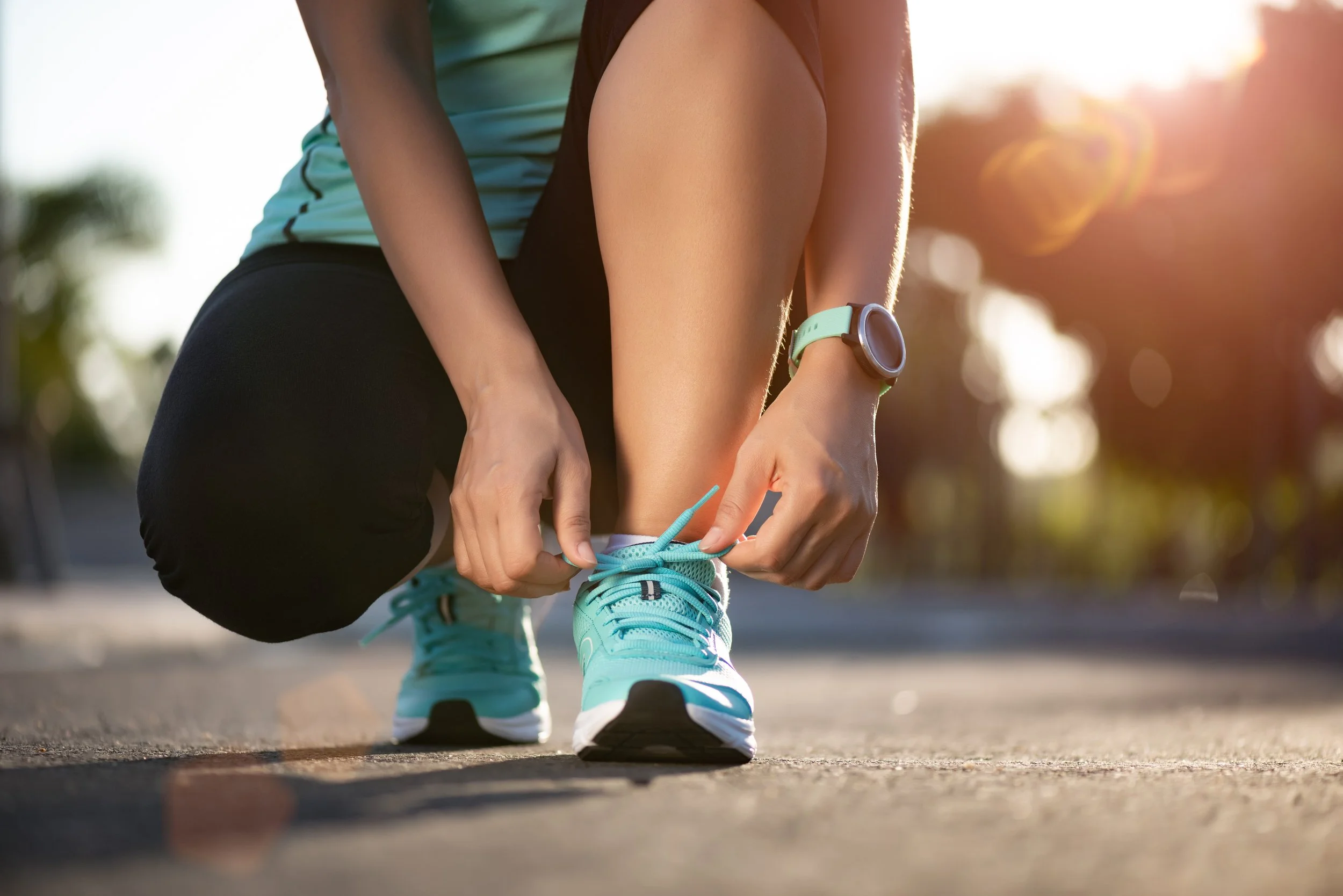
Why supportive footwear matters
Your feet are your foundation.
When your shoes are unsupportive, too flat, too soft, too flexible, or poorly fitted, your body often has to compensate. Over time, this can contribute to:
tired or aching feet
heel pain
arch pain
forefoot discomfort
bunion irritation
plantar fasciitis symptoms
ankle fatigue
knee or hip discomfort
lower back strain
For people who are on their feet all day, even small issues in footwear can become much more noticeable because the body has less opportunity to rest and recover.
Good footwear does not “fix everything”, but it can significantly reduce unnecessary stress and help your feet work more efficiently.
Signs your footwear may not be supportive enough
Sometimes the shoes feel “fine” at first, but your body tells a different story.
Your footwear may not be giving you enough support if you notice:
feet feeling very tired by the end of the day
aching in the heels or arches
soreness under the ball of the foot
rubbing or pressure points
shoes wearing down unevenly
feeling unstable or “wobbly” when walking
recurring foot, knee or hip discomfort
discomfort that improves when you wear a different pair
If you work long shifts or spend hours standing, these signs are worth paying attention to.
What to look for in a supportive shoe
Here are some of the key features I usually recommend patients look for:
1. A firm, stable heel counter
The heel counter is the back part of the shoe that surrounds your heel.
A supportive shoe should feel reasonably firm at the back, rather than collapsing easily when you squeeze it.
Why this matters:
A stable heel helps control excess movement and can improve how the foot loads during walking and standing.
Quick check:
Hold the shoe at the back and gently press the heel area. If it folds in very easily, it may not offer enough structure.
2. A secure fastening
Shoes that stay firmly attached to your feet tend to provide much better support than those you have to grip with your toes to keep on.
Look for:
laces
straps
buckles
Velcro fastenings
secure instep designs
Why this matters:
If your foot slides around inside the shoe, the muscles in your feet and legs often have to work harder to stabilise you.
This can increase fatigue over the course of the day.
3. Good arch and midfoot support
Not everyone needs a very “corrective” shoe, but most people who are on their feet all day benefit from footwear that offers some midfoot stability rather than being completely flat and unsupportive.
Why this matters:
Better support through the arch and midfoot can help improve load distribution and reduce strain through the feet and lower limbs.
This can be especially useful if you tend to:
overpronate
roll to the outside of your feet
have tired arches
feel unstable during walking
4. A sole that bends in the right place
A supportive shoe should bend at the front of the foot, where your toes naturally bend — not fold in half through the middle.
Why this matters:
If a shoe twists or bends too much through the arch or midfoot, it often offers very little support.
Quick check:
Try gently bending the shoe. It should flex near the toe area, but still feel relatively stable through the middle.
5. Enough cushioning — but not too soft
A little cushioning can improve comfort, especially on hard floors, but more cushioning is not always better.
Very soft shoes can sometimes feel lovely for five minutes and then leave the feet working harder to stay stable.
Why this matters:
The best shoe often feels comfortably cushioned but still supportive and controlled.
This is especially important if you are standing for long periods on hospital floors, shop floors, salons, or concrete surfaces.
6. A wide enough toe box
Your toes should have room to sit naturally without being squashed.
Why this matters:
A narrow toe box can increase pressure on:
bunions
corns
callus
neuromas
nails
the forefoot joints
If your toes feel cramped, numb, rubbed, or pushed together, the fit may not be right — even if the shoe “technically fits”.
7. The right fit for your foot shape
One of the biggest mistakes people make is choosing footwear based only on appearance or brand, rather than how it fits their own feet.
No single shoe works for everyone.
You may need to think about:
width
depth
arch profile
toe shape
whether you wear insoles or orthotics
how much swelling you get by the end of the day
A good rule:
If a shoe only feels comfortable when you are sitting down trying it on, it may not be the right shoe for a full working day.
What about clogs, trainers, or sandals?
This is something I get asked all the time.
Clogs
Some clogs can work very well if they are supportive, stable, and fit securely, especially for people in healthcare settings.
However, not all clogs are equal. Some are much more supportive than others.
Trainers
A well-fitted supportive trainer is often an excellent option for people on their feet all day, provided it has:
structure
a secure fit
enough support
appropriate width and depth
Sandals
Sandals can be comfortable, but many are too flat or too flimsy to provide enough support for prolonged standing and walking.
If you do wear sandals, look for:
structured footbeds
adjustable straps
secure fastening
decent sole stability
Pay attention to wear patterns
Your shoes can often tell a story about how you walk.
For example, you may notice:
wear on the outside of the heel
flattening on one side more than the other
uneven sole breakdown
one shoe wearing faster than the other
This does not automatically mean something is “wrong”, but it can be a clue that your feet are loading in a way that may benefit from assessment.
When footwear alone may not be enough
Sometimes even a “good shoe” is not quite enough — especially if you have:
ongoing foot pain
repeated injuries
flat feet or high arches
bunions
heel pain
recurring ankle problems
knee, hip or back discomfort
noticeable changes in walking pattern
In these cases, you may benefit from a biomechanical assessment to look at:
how your feet function
how you walk
where you are loading
whether insoles or orthotic support may help
The aim is not just to make shoes more comfortable, but to help your body move more efficiently overall.
The bottom line
If you are on your feet all day, your footwear is not just about comfort — it is part of how your body copes with daily load.
A supportive shoe should ideally offer:
a firm heel
secure fastening
midfoot support
the right flexibility
enough toe room
a fit that works for your foot shape and activity level
If your feet are aching, tiring quickly, or you are unsure whether your shoes are helping or hindering, it may be worth having them assessed.
Sometimes a few small changes can make a big difference to comfort, confidence, and long-term foot health.
Need help choosing the right footwear?
At Bailey Podiatry & Reflexology, I can assess your foot function, walking pattern, footwear, and whether additional support such as insoles may be helpful.
If you are struggling with tired, aching or unsupported feet, you are very welcome to book an appointment.
Your feet work hard for you every day — the right support really does matter.
📍 The Glen, Main Street, Brampton, CA8 1SB
📞 016977 2191
💻 www.baileypodiatry.co.uk/book
We’re here to help you put your best foot forward — comfortably and confidently.
Bailey Podiatry & Reflexology
Supporting your foot health – and your whole wellbeing