Self-Care Tips from Your Podiatrist: The things you may never have known (or thought to ask about)
When people think of podiatry, they often imagine nail cutting or dealing with foot pain once it’s already a problem. In reality, some of the most effective foot care happens at home, long before discomfort sets in.
As a podiatrist working in a rural community, I see many issues that could have been reduced — or even avoided — with small, consistent self-care habits. Here are some things patients often tell me they “never knew” about their feet.
1. Your Feet Change — Even if You Think They Haven’t
Feet don’t stay the same throughout adulthood. Ligaments can become more lax, arches may lower slightly, and footwear that once felt fine can quietly start causing pressure.
If shoes suddenly feel tighter, rub in new places, or feel less supportive, it’s not “just age” — it’s a signal to reassess fit and function. Regularly reviewing footwear is one of the simplest forms of preventative foot care.
2. Dry Skin Isn’t Just a Cosmetic Issue
Cracked heels and dry skin are often dismissed as a nuisance, but breaks in the skin increase the risk of infection — particularly for people with diabetes or reduced circulation.
A daily moisturising routine (avoiding the spaces between the toes) helps maintain skin integrity. Urea-based creams are particularly effective at improving hydration and reducing hard skin build-up.
Consistency matters more than product choice.
3. Cutting Nails “Shorter” Isn’t Always Better
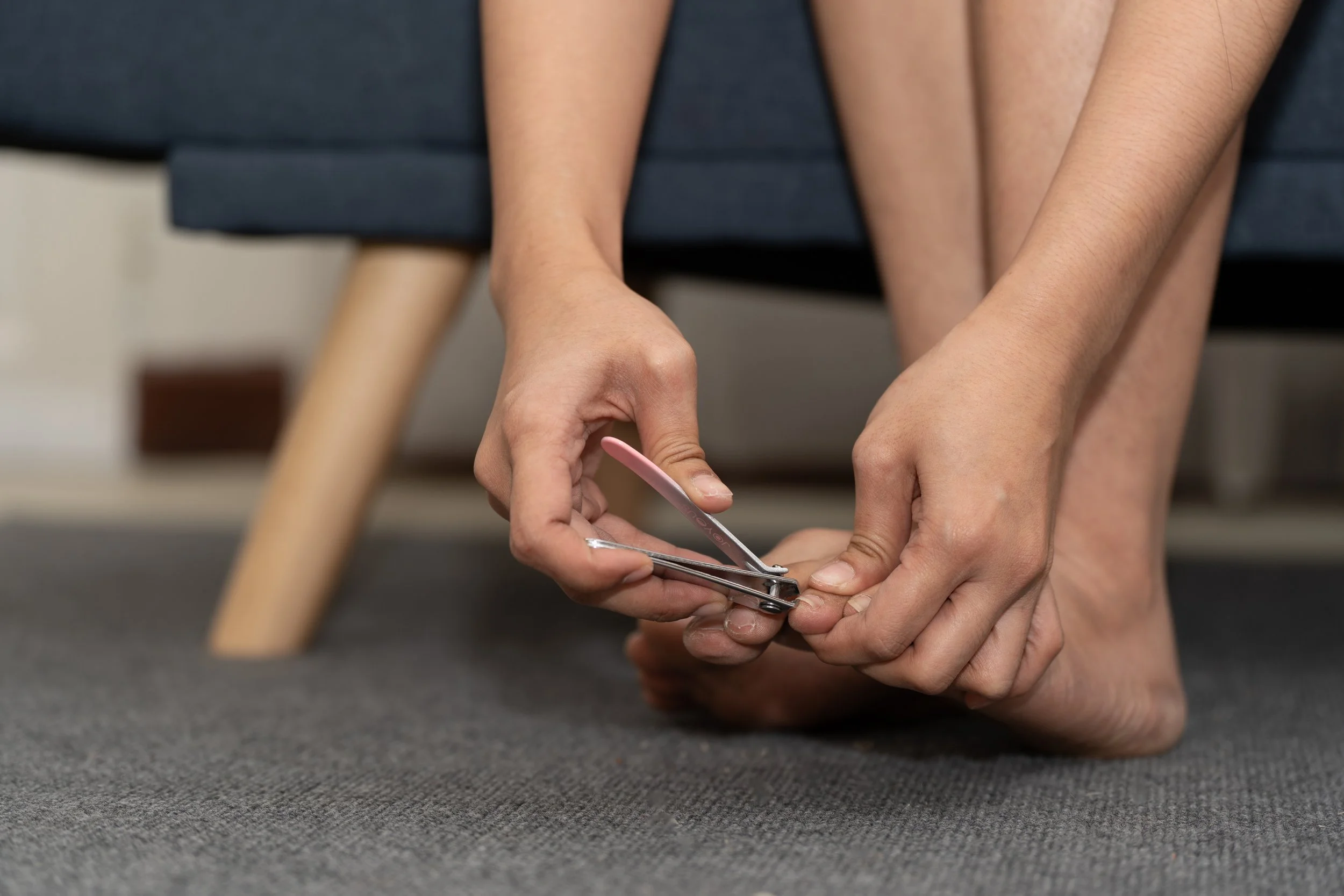
Many[ii] people cut toenails too short in an attempt to prevent problems, but this can actually increase the risk of ingrown toenails, soreness, and infection.
Toenails should be trimmed straight across, not curved down at the edges. If nails are thick, painful, or difficult to manage, professional care is safer than struggling at home.
4. Callus Is Your Foot Asking for Help
Callus forms in response to pressure or friction — it’s not random. Thickened skin can change how pressure is distributed across the foot, sometimes increasing discomfort or leading to cracks.
Rather than aggressively filing at home, it’s worth addressing why the callus is forming. Footwear, gait, and activity levels all play a role.
5. You Don’t Need Pain to Have a Problem
One of the most common things I hear is:
“It doesn’t hurt, so I didn’t think it was an issue.”
Reduced sensation, especially in diabetes, means problems can develop quietly. Colour changes, swelling, breaks in the skin, or nail changes should always be checked — pain isn’t the only warning sign.
6. Socks Matter More Than You Think
Socks aren’t just an afterthought. Breathable, well-fitting socks help manage moisture, reduce friction, and protect the skin barrier — particularly for active feet or those prone to dryness or irritation.
Poorly fitting socks can contribute to pressure points and skin breakdown just as much as ill-fitting shoes.
7. Self-Care Isn’t About Perfection — It’s About Awareness
Good foot health doesn’t require complicated routines. It’s about noticing changes early, maintaining the skin and nails, and seeking advice when something doesn’t seem right.
If you’re unsure whether something is “normal”, that’s usually a good reason to ask.
Final Thought
Your feet do a remarkable amount of work every day, often without much attention until something goes wrong. A little knowledge, combined with simple self-care habits, can go a long way in keeping you comfortable, mobile, and confident.
If you have concerns about your feet — or would simply like reassurance — professional podiatry advice is always worthwhile.
📍 The Glen, Main Street, Brampton, CA8 1SB
📞 016977 2191
💻 www.baileypodiatry.co.uk/book
We’re here to help you put your best foot forward — comfortably and confidently.
Bailey Podiatry & Reflexology
Supporting your foot health – and your whole wellbeing
#BramptonCumbria #FootHealth #Podiatry #PodiatristLife #RuralHealthcare #HealthyFeet #DiabetesFootCare #FootCareTips #BaileyPodiatryandReflexology #podiatryuk #selfcaretips #preventativefootcare #footcareadvice #cumbrialife #bramptoncumbria #northwestengland